Why Emotional Intelligence Is the Ultimate Leadership Edge
Leadership in the modern world demands something deeper than expertise or authority. The rapid pace of change has made emotional intelligence the central skill that determines whether leaders can sustain clarity, trust, and performance.
Emotional intelligence allows leaders to understand how emotions influence behavior and relationships. Leaders who develop this awareness are better equipped to communicate clearly, respond thoughtfully, and create environments where people feel respected and engaged.
Positive Leadership defines thriving as the alignment of people, purpose, and actions working together at their best. Emotional intelligence supports this alignment by guiding leaders to make decisions that honor both logic and human experience.
What Emotional Intelligence Means
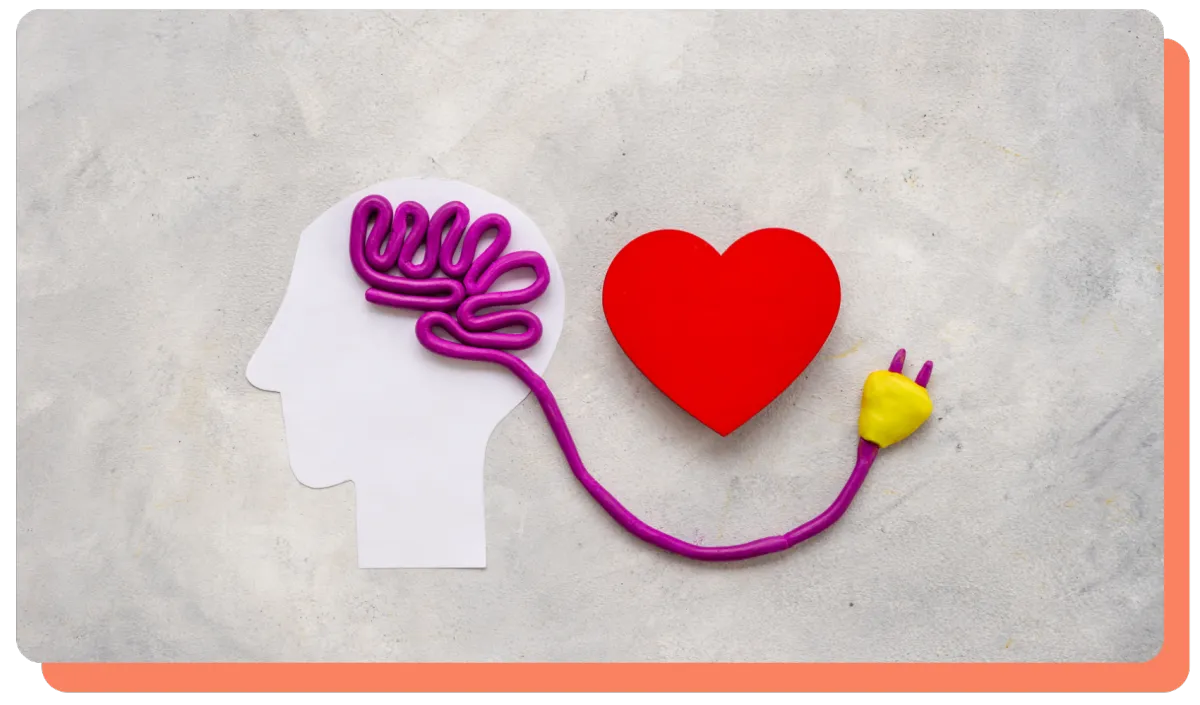
Emotional intelligence refers to the ability to recognize, understand, and manage emotions. It involves both awareness and action. Leaders who practice emotional intelligence notice their reactions and consider their impact before responding. They see emotions as information that helps them navigate decisions with perspective.
Researchers describe four main capacities within emotional intelligence: self-awareness, self-management, social awareness, and relationship management. These ideas fit closely within Positive Leadership principles of engagement and alignment.
Self-awareness helps leaders understand their influence on others. Self-management supports stability under pressure. Social awareness strengthens empathy. Relationship management allows leaders to build and maintain trust. Together, these capacities create a foundation for connection and effectiveness.
Why Emotional Intelligence Matters
The modern workplace is defined by rapid communication, shifting priorities, and constant connection. Technology can improve efficiency, but only people can interpret emotions, resolve conflict, and build trust.
Emotional intelligence shapes every part of leadership performance. Leaders who cultivate it can sense what their teams need, adapt communication to the situation, and maintain focus when stress levels rise.
Trust grows naturally under these conditions. Trust creates engagement, and engagement drives thriving performance. When people feel understood and valued, they become more willing to share ideas, take initiative, and stay connected to purpose.
Developing Self-Awareness
Self-awareness forms the starting point of emotional intelligence. Leaders who recognize their emotional patterns make deliberate choices instead of automatic reactions. This awareness helps them separate temporary frustration from long-term goals and maintain composure under pressure.
In Positive Leadership, engaged awareness describes the ability to stay emotionally steady while keeping attention on purpose and outcomes. Leaders who build this awareness lead with calm and confidence, even when circumstances are uncertain. Their steadiness becomes a source of stability for their teams.
Self-awareness also encourages humility. Leaders who understand their limitations seek feedback and remain open to learning. This humility makes collaboration easier and strengthens respect within the team.
Practicing Empathy in Leadership
Empathy is the skill that turns understanding into connection. It enables leaders to see the world from another person’s perspective and to respond with compassion. Empathy deepens communication because it focuses on what others are truly experiencing, not just on what they say.
Leaders who demonstrate empathy help teams feel safe and valued. This environment supports alignment because people who feel understood are more likely to cooperate, contribute ideas, and stay engaged.
Empathy requires listening carefully and responding with sincerity. It also involves recognizing emotions that may not be expressed directly. When leaders respond with empathy, they strengthen trust and reduce conflict.
Building Emotional Regulation and Resilience
Resilient leaders know how to manage their emotions during moments of difficulty. Emotional regulation allows them to stay centered rather than overwhelmed. This balance supports clear thinking and consistent action.
Regulation does not mean avoidance or suppression. It means pausing long enough to choose a response that matches the situation and the desired outcome. Leaders who practice this regularly become more adaptable and confident when challenges arise.
Progression Theory reminds us that perfection is never possible, but progression is always possible. Emotional regulation reflects this principle because it depends on daily practice. Each moment of awareness strengthens the ability to remain calm, which in turn strengthens leadership presence.
Emotional Intelligence in Practice
Emotionally intelligent leaders bring steadiness and connection to every interaction. They express appreciation for effort, communicate expectations clearly, and address issues without blame. Their approach creates a sense of psychological safety where people feel comfortable offering new ideas.
These leaders use empathy and awareness to guide collaboration rather than control it. They help teams focus on shared purpose and collective progress. This sense of connection drives engagement and encourages people to do their best work.
The Real Advantage
Emotional intelligence gives leaders an advantage that technology, experience, or position cannot provide. It links clarity with compassion and helps create progress that benefits both people and performance.
Future-ready leaders will be defined by their ability to combine understanding with action. Their awareness, empathy, and composure will set the tone for cultures built on trust and alignment.
Emotional intelligence will continue to be the ultimate leadership edge because it strengthens what makes leadership human—the ability to engage others with integrity and create progress together.